

QUALIFY
Finding and securing impact investment or grant funding requires more than identifying available capital. It requires matching a project with the right funder, understanding their mandate, demonstrating measurable impact, and presenting a clear, credible case for financial viability, implementation capacity, and long-term value.
1.
Confirm Project Eligibility
2.
Quantify Impact & Financial Benefits
3.
Package Evidence for Bank
4.
Apply & Secure Financing
Qualification Process
Recommendations for Successful Investment Proposals
-
Define the core problem your project addresses and why it matters. Development banks focus on projects with social, economic, or environmental impact, so highlight the broader purpose of your initiative, such as job creation, poverty alleviation, or climate change mitigation.
-
Look into which development bank aligns best with your project's goals. Different banks have specific focuses, such as infrastructure, sustainability, or regional development, so targeting the right one can increase your chances of success.
-
Ensure that your project meets the eligibility criteria for the development bank you're approaching. These institutions often have specific requirements, such as the project's size, sector, or expected impact, that need to be met before applying. If the information is not on the website, this can be done by emailing or calling the various DFI regional or global offices, or emailing their general mailboxes. Ensure that your project meets the eligibility criteria for the development bank you're approaching. These institutions often have specific requirements, such as the project's size, sector, or expected impact, that need to be met before applying.
-
Research the specific goals of the development bank you’re approaching. Align your project’s objectives with their priorities, whether they are focused on sustainable development, infrastructure, or inclusive growth. Be explicit about how your project fits into their mandate. If you see that a bank is trending towards a certain type of investment in a region or sector, research further to see if there are societal, economical or environmental impacts beyond the most obvious ones. Showcase the impact your project will have on the community or region, including measurable social, economic, or environmental benefits. For instance, explain how many jobs will be created, how local economies will be strengthened, or how environmental sustainability will be improved.
-
Development banks prefer projects with a strong potential for success. If you have prior achievements, partnerships, or successful project completions, share those to build credibility. If this is a new venture, demonstrate your team's experience and capabilities to carry out the project.
-
DFIs want to ensure that the projects they fund are financially sound. Be transparent about your financials—include detailed revenue projections, costs, and potential returns. Outline risks associated with the project and how you plan to mitigate them, such as through risk-sharing mechanisms or robust management practices. Issues such as a politically compromised shareholder, corruption, and other issues may disqualify a company before they even are able to pitch their project. Therefore, it is recommended that you approach with a "light overview" and company prospectus, shareholder names, and other relevant details if you feel there may be an issue.
-
Impact investors are interested in the long-term sustainability of the projects they fund. Discuss how your project will continue delivering benefits after the funding period, either through scalability, self-sufficiency, or lasting community impacts.
-
Highlight partnerships with local governments, NGOs, or private sector entities. Development banks look for projects that have stakeholder buy-in and community support. Mention any endorsements, collaborations, or letters of support.
Use Compelling Storytelling: While facts and figures are essential, a well-told story can make your project stand out. Share personal stories of how your project will change lives or contribute to the region's development, making an emotional connection to the bank’s goals.
-
While facts and figures are essential, a well-told story can make your project stand out. Share personal stories of how your project will change lives or contribute to the region's development, making an emotional connection to the bank’s goals.
Typical Development Outcomes
-
Poverty Reduction
Projects that directly or indirectly help reduce poverty, such as improving access to education, healthcare, or affordable housing, are aligned with the bank’s goals.

-
Inclusive Growth
Projects that ensure broad-based growth, benefiting marginalized groups like women, rural communities, or the poor, are prioritized.

-
Economic Stability
Infrastructure projects that contribute to sustainable economic growth—such as roads, energy, or water supply systems—fit this goal.

-
Climate Change
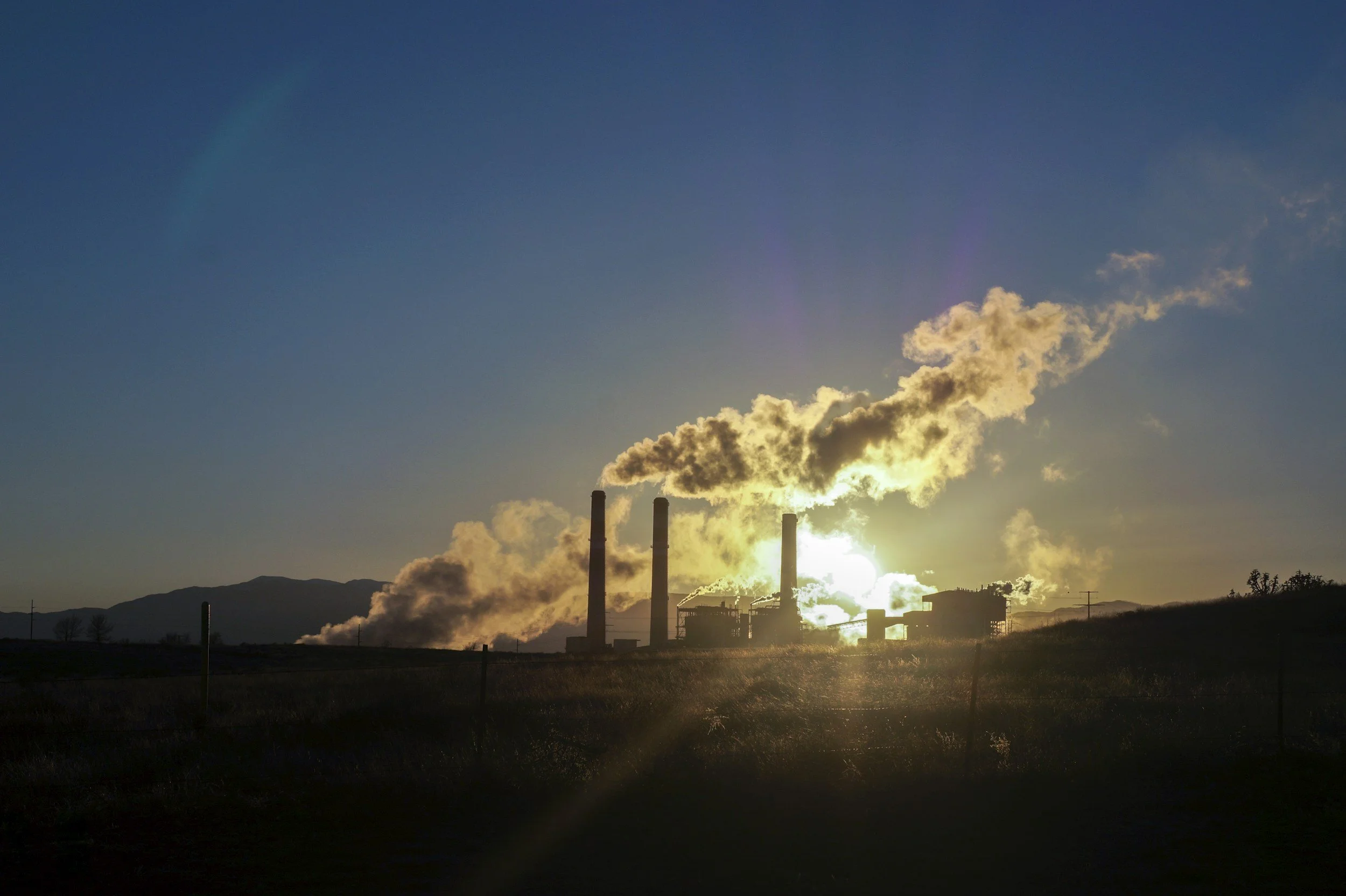
Projects aimed at reducing carbon emissions, increasing energy efficiency, climate adaption, or renewable energy.
The Question:
If Green & Social Financing is Widely Available, Why Hasn’t the Mass Market Adopted It?
Green and impact-based home financing is available across the United States as well as globally. Major lenders, government-sponsored programs, utilities, and public agencies all offer mechanisms that can reward energy-efficient and high-performance homes with better terms, incentives, or lower lifetime costs.
Yet despite this availability, adoption remains limited.
The reason isn’t a lack of capital or intent. It’s that green and impact finance has historically been hard to identify, difficult to quantify, and cumbersome to apply for—especially for individual homebuyers. Eligibility rules vary by program, performance data is rarely presented in lender-ready formats, and buyers are often left to navigate incentives, certifications, and mortgage conversations on their own.
As a result, many homes that qualify for green or impact finance are financed conventionally—leaving real savings, better terms, and long-term value unrealized.
This platform exists to close that gap.
By translating verified building performance into clear financial outcomes and lender-ready evidence, we make green and impact finance practical, understandable, and usable at the moment it matters most: the home purchase decision.